The first to install glass in window openings were the ancient Romans. It happened back in the 1st century AD. In the 17th century, the history of windows took a significant new turn: in France, panoramic floor-to-ceiling windows were invented, which were most often installed in artists' workshops to fill the premises with natural light. Le Corbusier, who worked in the twentieth century, called the history of architecture the history of the struggle for light, recognizing windows as one of the most important elements of the building.
By the XXI century, panoramic glazing has become a real synonym for modernity.
About what types of translucent structures exist today, as well as the opportunities that they open up to architects and designers - in our article.
FROM THE CRYSTAL PALACE TO THE SKYSCRAPER
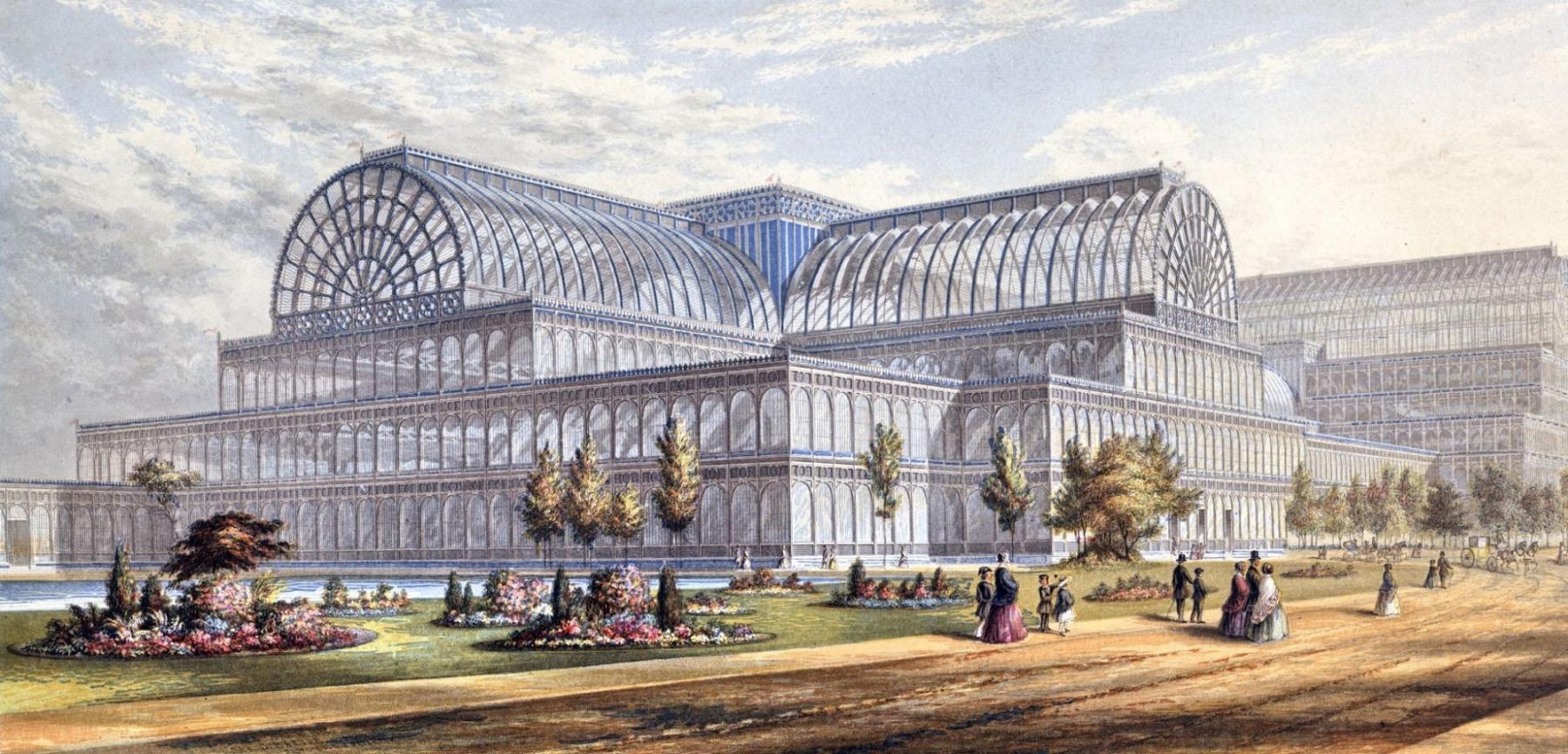
In 1848, an event occurred that revolutionized construction - a method was found for making durable glass sheets of large dimensions. And already 3 years later, at the World Exhibition in London, a building with almost completely glass walls was presented for the first time - the Crystal Palace.
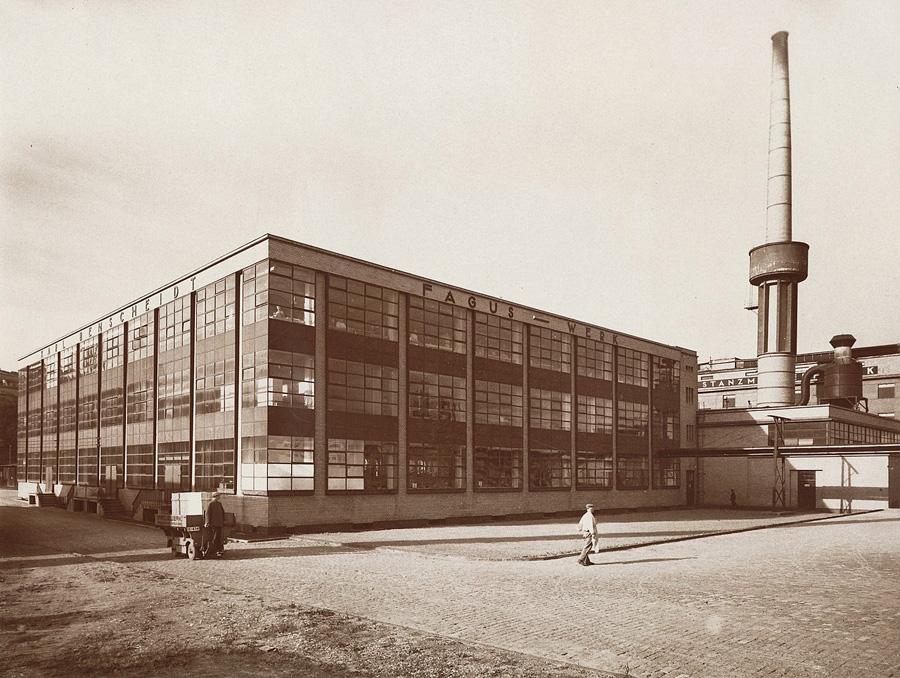
However, the full potential of panoramic glazing was revealed with the emergence of the frame structure of buildings, when the external walls were no longer an obligatory load-bearing element. A strong frame made of reinforced concrete and steel made it possible to make external walls of glass. The first such facility was the Fagus factory, designed by Walter Gropius in the first half of the 20th century.
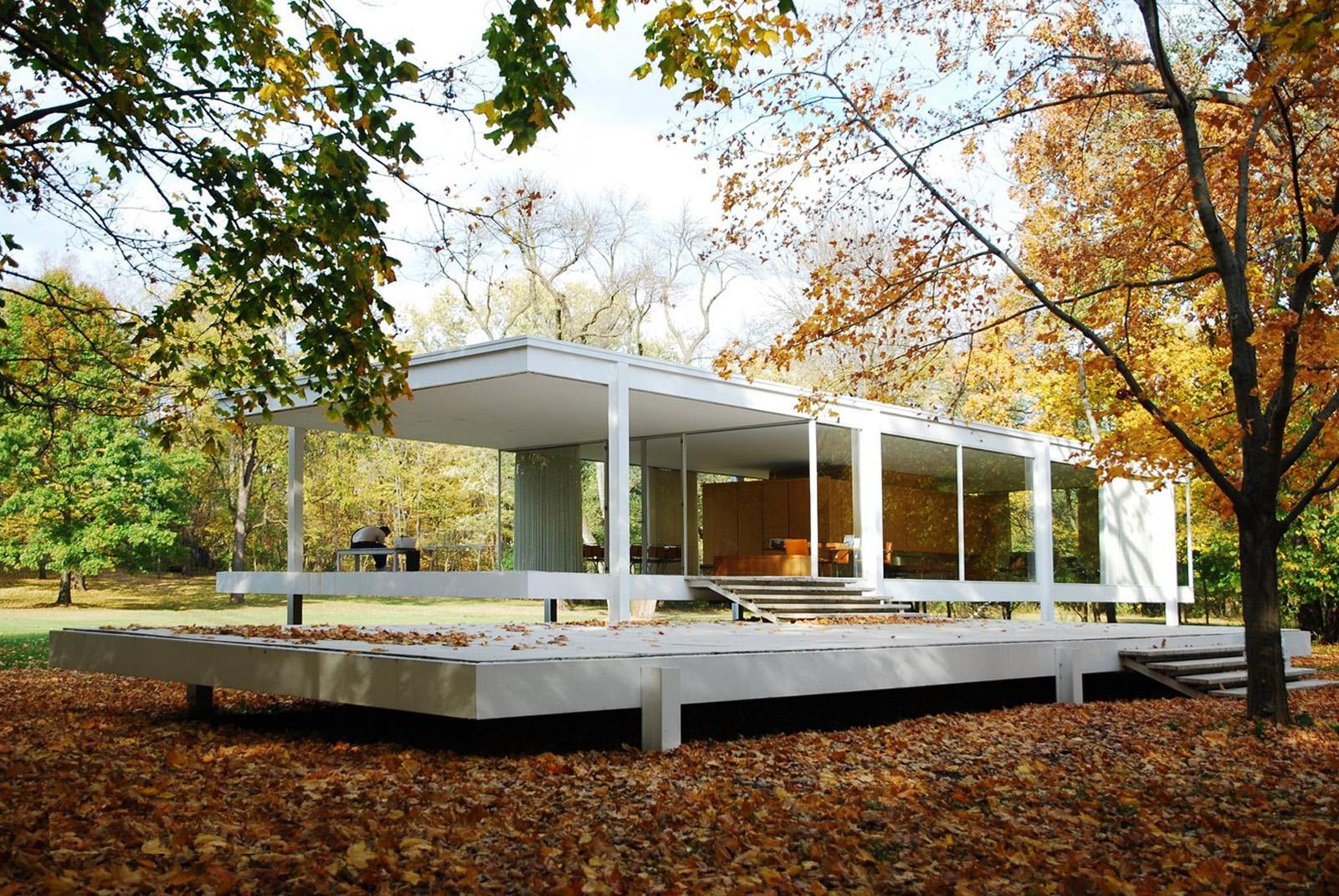
During these years, the architect Ludwig Mies van der Rohe worked a lot with glass, discovering new possibilities. He created the famous Villa Farnsworth, in which the idea of interpenetration of the exterior and interior was realized through panoramic glazing.
In the second half of the 20th century, "transparent architecture" took another huge step forward. In different countries of the world, skyscrapers began to be built - a symbol of a new era and a real engineering miracle. Thanks to the large-format glazing of the facades, these giants were outwardly light and graceful, and their interiors were filled with natural light.
Having appreciated all the advantages of panoramic glazing, the architects of the 21st century continued to actively use it in the construction of buildings for various purposes and degrees of complexity.
The profile structure plays an important role in panoramic glazing. Taking into account the fact that the weight of a double-glazed window or a stained-glass window with large-format glazing sometimes exceeds 1000 kg, the frame must be made of a very durable material. The best choice in this case is aluminum.
.jpg)
Winged metal is able to withstand much higher loads than PVC or wood. There is no need to use wide bulky profiles.
Aluminum structures are not afraid of humidity, temperature extremes, or ultraviolet light, so they will last at least half a century, which is much more than similar structures made of wood and PVC.
OPPORTUNITIES FOR CREATIVITY
Business and shopping centers, sports arenas, train stations and airports, residential complexes and private cottages ... Today panoramic glazing is found almost everywhere, because the existing variety of types of translucent structures allows you to implement any ideas of architects.